 Emre Ceylan
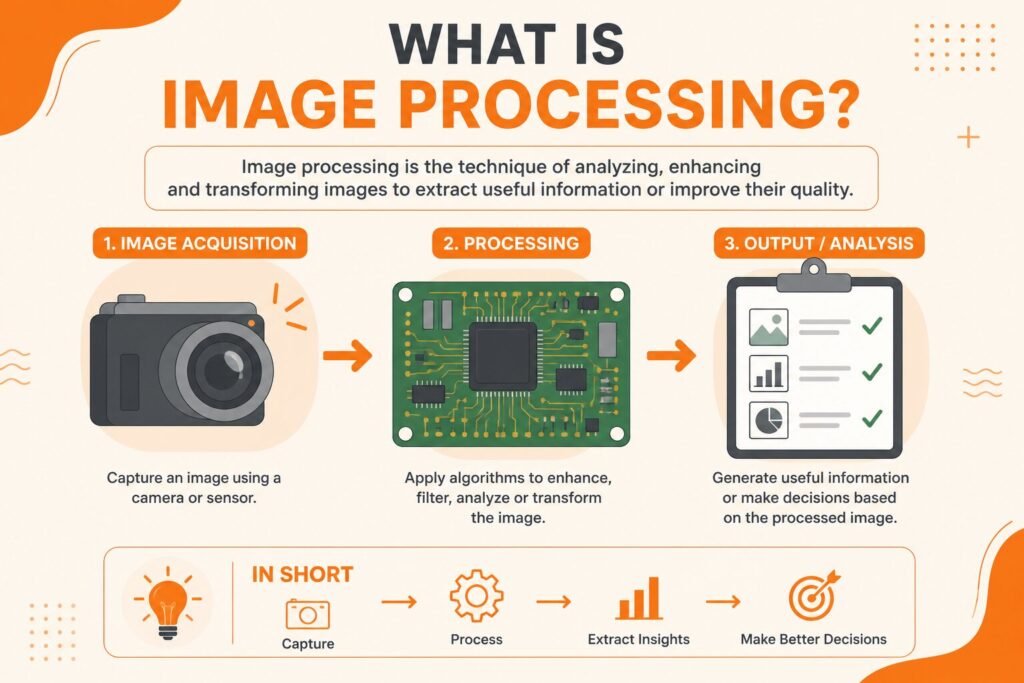
What is machine vision in one line: a control method that produces measurable decisions from a camera image and usually ties that decision to the line through an embedded board and I/O. In factories the goal is not a nice photo; it is a repeatable result such as label present/absent, dimension, color, or damage.
In Revan Technology projects, lighting, trigger timing, and PCB outputs are designed as one architecture; the algorithm alone is not enough.
What is machine vision?
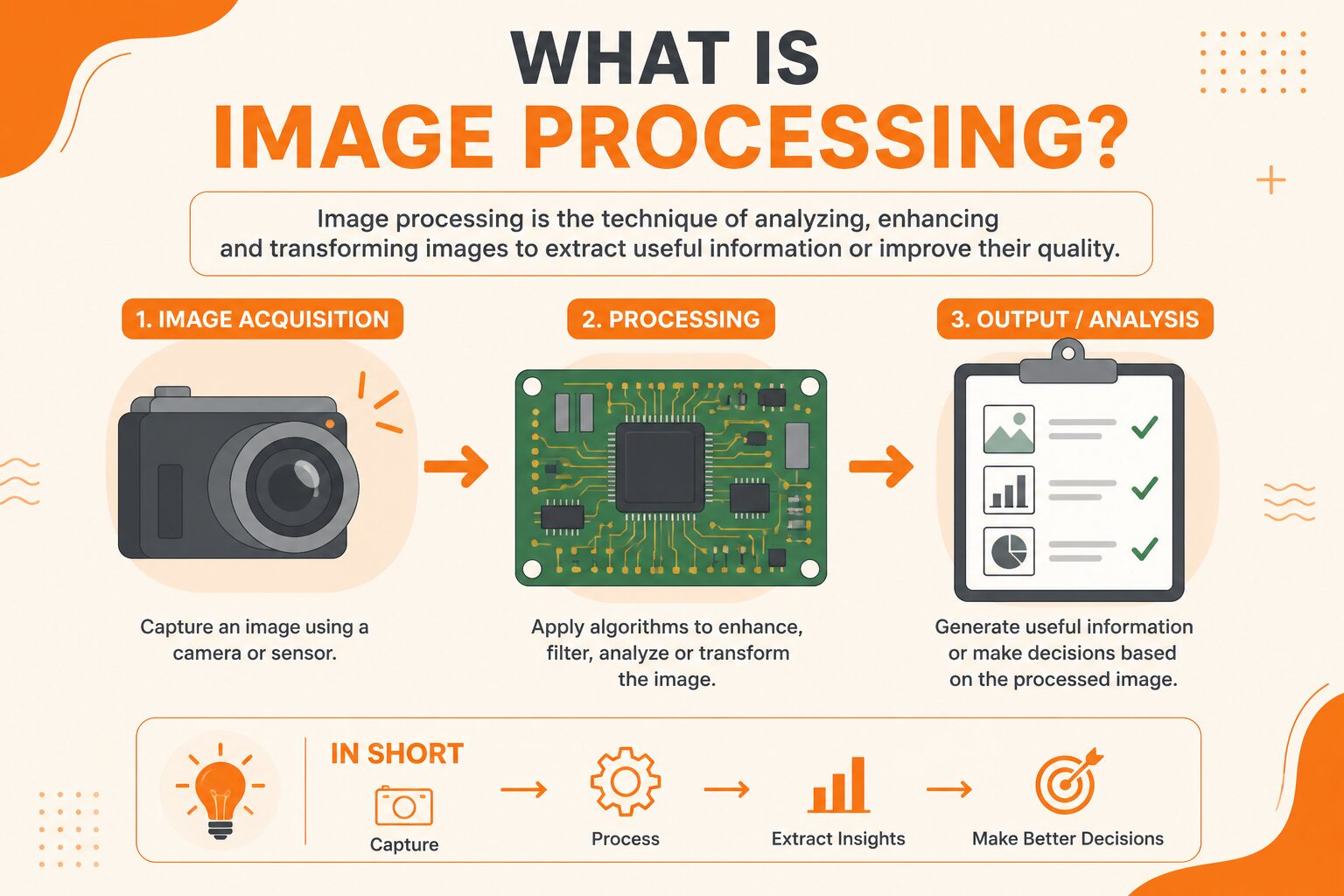
Machine vision extracts features from a digital image and makes a decision. In industrial setups, camera + lighting + processor/PCB work together; the result drives reject, counters, or a PLC signal.
You can use simple rules (threshold, blob, edge) or more advanced classification. What matters is stable decisions across shifts and product variants.
Why it matters
- Reduces reliance on operator eyes and fatigue-driven misses.
- Makes scrap and return costs measurable.
- Adds traceability via reject and counter logs.
- Covers inspection points that humans cannot keep up with on fast lines.
How it works
1. A sensor or encoder triggers the camera as the product passes.
2. A sharp frame is captured under controlled lighting.
3. A rule or model runs inside the ROI (presence, measure, color…).
4. The decision is debounced; reject / pass / alarm is generated.
5. Counters and logs are written to a panel or web dashboard.
Typical use cases
- Conveyor label / barcode presence checks
- Packaging damage and fill-level checks
- Missing-part detection in assembly
- Dimension and position verification
- Print / code verification
Common mistakes
- Treating lighting as “on is enough”; glare creates false alarms.
- Using one fixed threshold for every product.
- Leaving trigger timing untuned; blurry or partial frames.
- Deciding on a single frame with no debounce.
- Installing the camera as a PC box disconnected from PCB/I/O.
Selection / design checklist
- Are light, lens, and ROI matched to the product surface?
- Is the trigger source compatible with line speed?
- Was the decision threshold validated on shift samples?
- Are reject I/O and safety interlocking defined?
- Are false-alarm and miss rates measured?
- Is there a maintenance plan for dirty lenses and lamp life?
FAQ
What is machine vision in one sentence?
It is a control method that produces automatic, measurable decisions about a product or process from a camera image.
Is AI mandatory?
No. Many lines only need rule-based presence and measurement; models are added when classification gets complex.
Why involve a PCB?
The decision must reach reject, counters, and panels; the embedded board manages latency and I/O safety.
How do you reduce false alarms?
Tune lighting, trigger timing, thresholds, and debounce together—tightening the algorithm alone is not enough.
Results
Machine vision is the layer that makes industrial quality automatic and traceable. Combined with proper light, trigger, and PCB/I/O, scrap and escape control become measurable. See also our conveyor label presence camera PCB and machine vision. The practical answer to “what is machine vision?” is engineering that connects the camera to the line and produces repeatable decisions.
🔗 Get in touch with us:
Phone/WhatsApp: +41 76 212 8248
📧 E-Mail: info@revantechnology.ch
For detailed information about our services in electronics development & PCB design:
Revan Technology – Your partner for professional electronics and PCB development