 Emre Ceylan
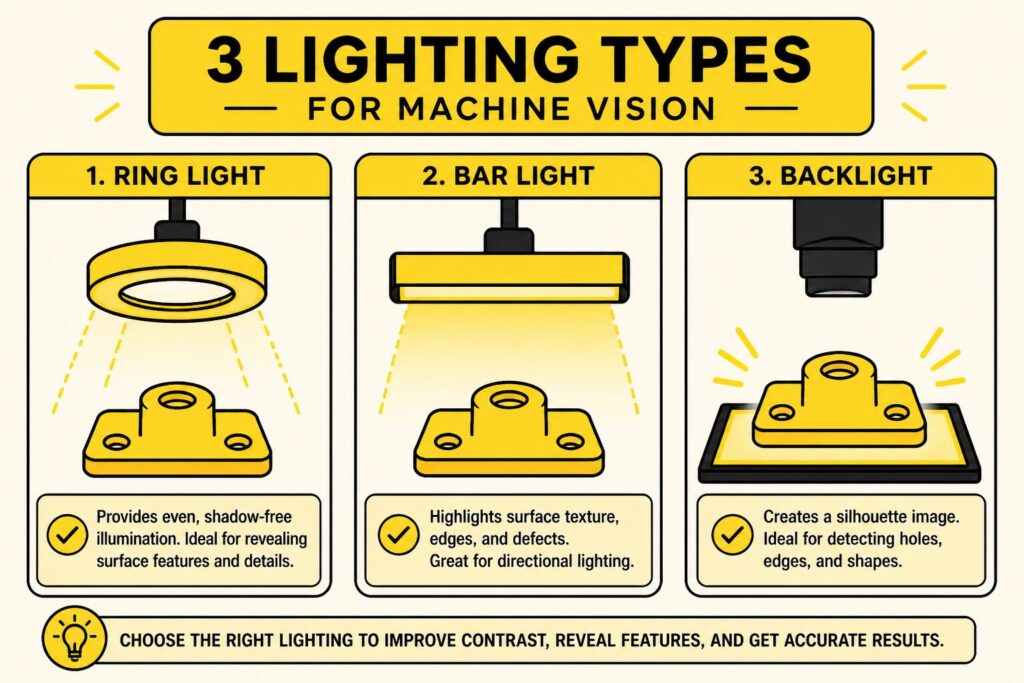
Industrial camera lighting selection comes before the lens: the wrong light makes a good camera raise false alarms. Shiny metal, black plastic and a clear part will not share the same bar light. The goal is not a brighter scene; it is repeatable edges and contrast in the ROI at line speed.
This page splits ring, bar and backlight by line rhythm. Trigger sits in conveyor camera triggering and encoder; the board sits under machine vision.
Industrial Camera Lighting Selection — why it comes first
Raising camera gain looks like a fix for a dark scene; it mostly adds noise and moves the threshold. Controlled light separates pixels inside the ROI. A ring light reduces shadow on a flat face; a bar light sharpens a linear edge; backlight makes silhouettes and holes obvious.
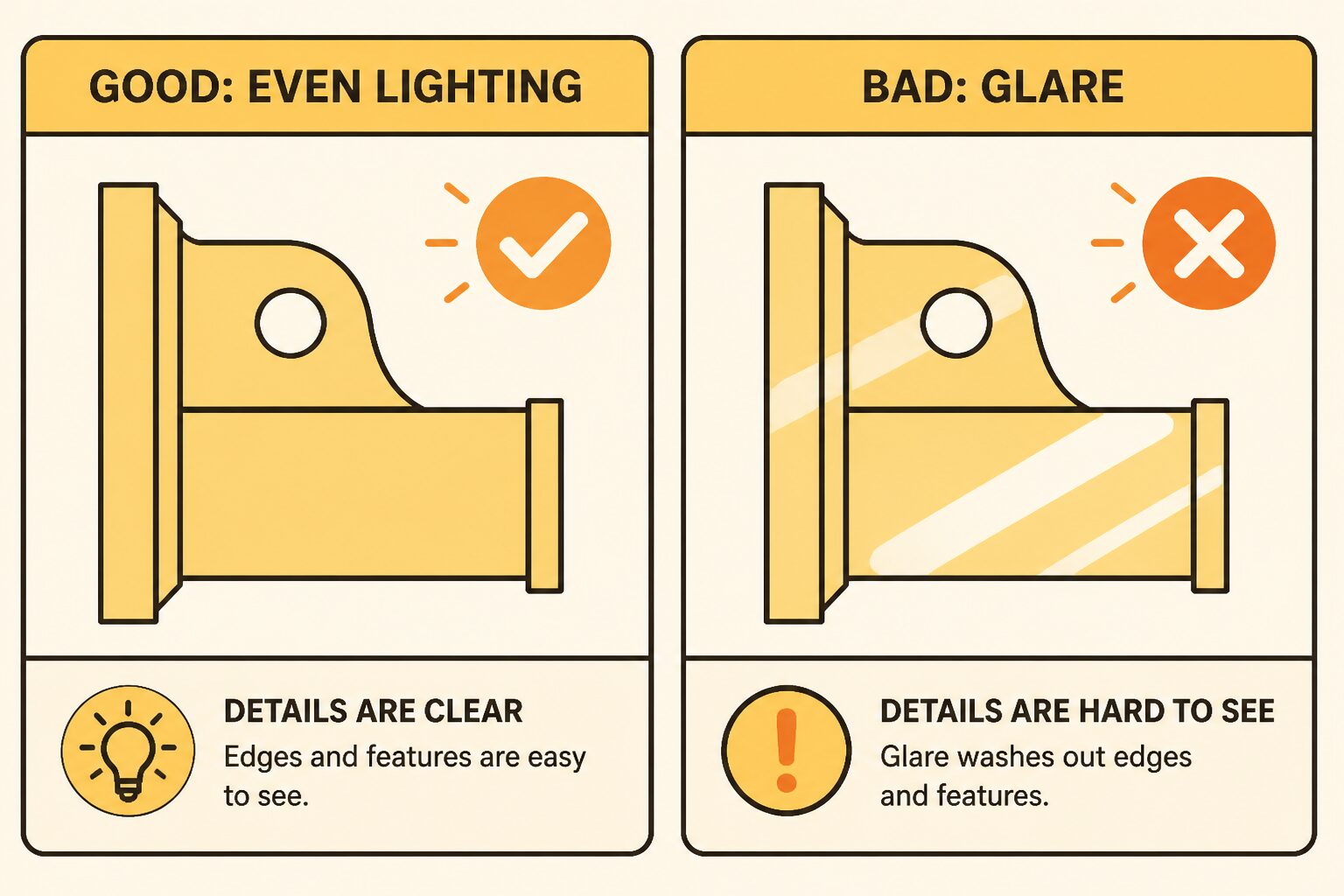
Shop lights change every shift. Glare breaks thresholds; shadows look like missing parts. Without strobe, motion blur eats the trigger window. That is why false alarms in industrial vision often start with light, not with the camera model.
Problem context
A screw head, a label edge and a gasket silhouette can share one booth. One ring will not solve all three. The operator asks to swap the camera; the real need is a lighting family matched to geometry. An industrial camera can be triggered, but always-on ceiling light still drifts exposure.
Technical analysis
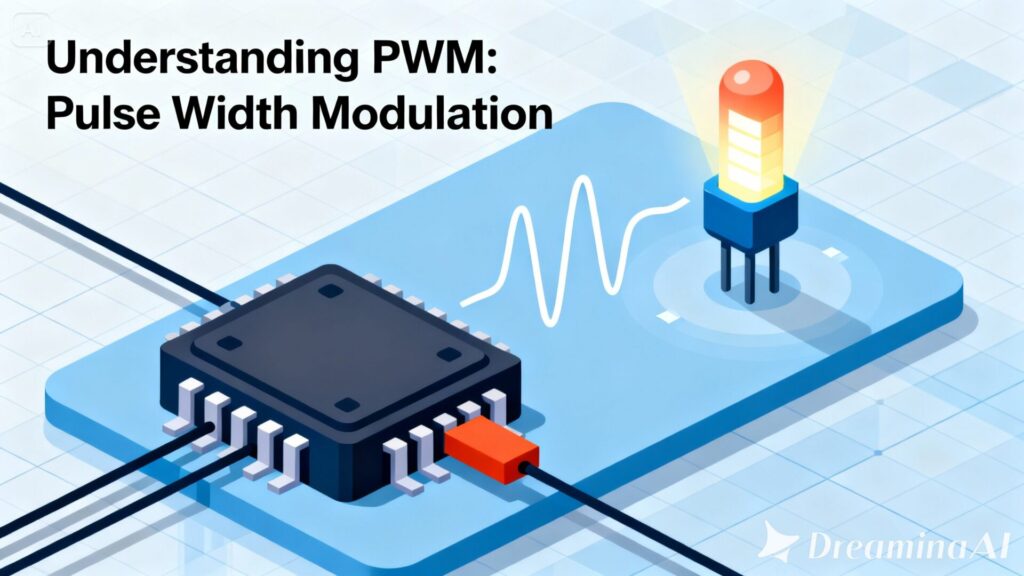
Strobe locks to exposure; heat and life are more predictable than always-on light. Colour temperature and narrow-band LEDs (red/blue) select material reflectance. On the PCB, strobe current and the sync pin must share the camera board. A polarised bar kills specular glare on a shiny carton; an unpolarised ring on the same carton wrecks the threshold.
Wikipedia — machine vision is a usable outer frame; the shop-floor difference is light opening in the same millisecond as the encoder trigger.
Field scenarios
- Screw head: ring, low angle, cavity shadow
- Label edge: bar light, linear contrast
- Hole/gasket silhouette: backlight
- Shiny carton: polarised bar to kill specular glare
- Clear bottle: backlight plus side bar for the meniscus
Solution approach
Pick geometry first, then light. Raising camera gain only adds noise. Encoder trigger and strobe must share the same millisecond. Calibration is checked at shift start with a reference part; the threshold is not simply “tightened”.
Gains
Correct industrial camera lighting selection cuts false alarms, keeps calibration stable and makes reject repeatable. Once light is stable, shrinking the ROI is safer; otherwise a tight window reads shadow as a part.
Field note
Many lines buy the camera first and leave lighting last. In Revan projects the strobe driver belongs on the camera PCB; a later LED strip is not a lasting fix.
Results
Industrial camera lighting selection is ring, bar or backlight plus strobe sync. If the light is wrong, the algorithm is not the first thing to blame.
🔗 Get in touch with us:
Phone/WhatsApp: +41 76 212 8248
📧 E-Mail: info@revantechnology.ch
For detailed information about our services in electronics development & PCB design:
Revan Technology – Your partner for professional electronics and PCB development