 Emre Ceylan
False alarms industrial machine vision complaints usually mean the line stops for nothing or good product is rejected. The root cause is rarely a “weak algorithm”; it is lighting, trigger timing, and thresholds.
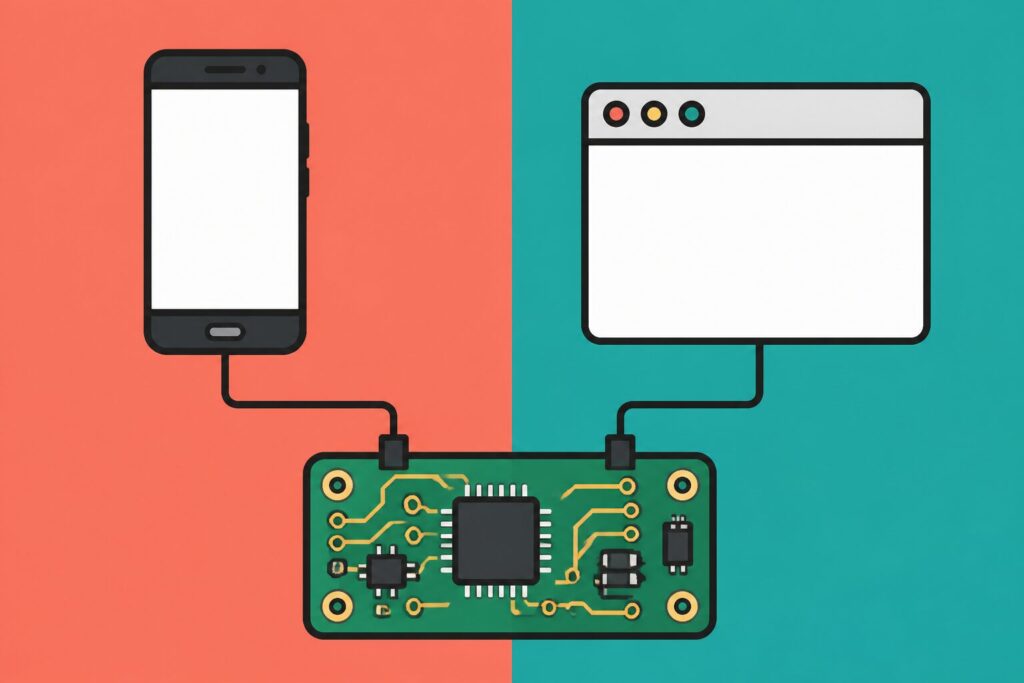
Connecting the camera to a PCB is not enough; the decision must be repeatable under plant conditions—speed, gloss, vibration, dirty lenses.

What are false alarms industrial machine vision issues?
The system says “fault” while the product is fine (or the reverse). Operators lose trust; loosening the threshold then raises real escapes. A false alarm is a break in calibration discipline, not only noise.
Problem context
A clean lab setup can produce false alarms industrial machine vision on the floor. Lamp warm-up spectrum shift and ROI drift without an encoder are typical.
Technical analysis
- Lighting: Glare inflates or kills the ROI.
- Trigger: Late/early frames show blur or half product.
- Threshold: One fixed value breaks across shifts/products.
- Debounce: Single-frame decisions push noise into reject.
Field scenarios
Clear labels on metal floors; cold lamp at shift start vs warm lamp later; trigger delay when product spacing changes. On similar lines, our conveyor label presence camera PCB also accounts for I/O timing.
Solution approaches
Tighten the ROI, add a minimum-area filter, lock trigger to a product sensor, drive lighting with constant current. Decide on the PCB with debounce and majority vote. See also machine vision.
Gains
Fewer unnecessary stops, more trustworthy reject, less urge to “randomly loosen” thresholds. Measured false-alarm rate is an early quality signal.
Industry note
In the first week, the false-alarm curve is a more honest report than “we picked an algorithm.”
Results
False alarms industrial machine vision mostly track optical and trigger discipline. Revan Technology stabilizes camera decisions together with PCB I/O on site.
🔗 Get in touch with us:
Phone/WhatsApp: +41 76 212 8248
📧 E-Mail: info@revantechnology.ch
For detailed information about our services in electronics development & PCB design:
Revan Technology – Your partner for professional electronics and PCB development